 New Date: Saturday, August 8, 2020, 9:00am – 2:00pm
Cancelled: Saturday, April 11, 2020, 9:00am – 2:00pm Cancelled: Saturday, May 30, 2020, 9:00am – 2:00pm Wayne Morse Dog Park, 595 Crest Drive, Eugene Join the Friends of Wayne Morse Dog Park and help take care of our beloved dog park. Projects include renovating and painting the historic perimeter fence, filling holes around the park, and much more. Please bring a pot-luck dish to celebrate the formation of this new stewardship group. Tools and gloves provided. To RSVP or learn more about the Friends of Wayne Morse Dog Park, contact Steve Piercy, Adoption Group Co-Leader, [email protected]. Plastics collection events have been cancelled until further notice due to the COVID-19/Coronavirus. To receive updates about future events, subscribe to the Friendly Flyer. 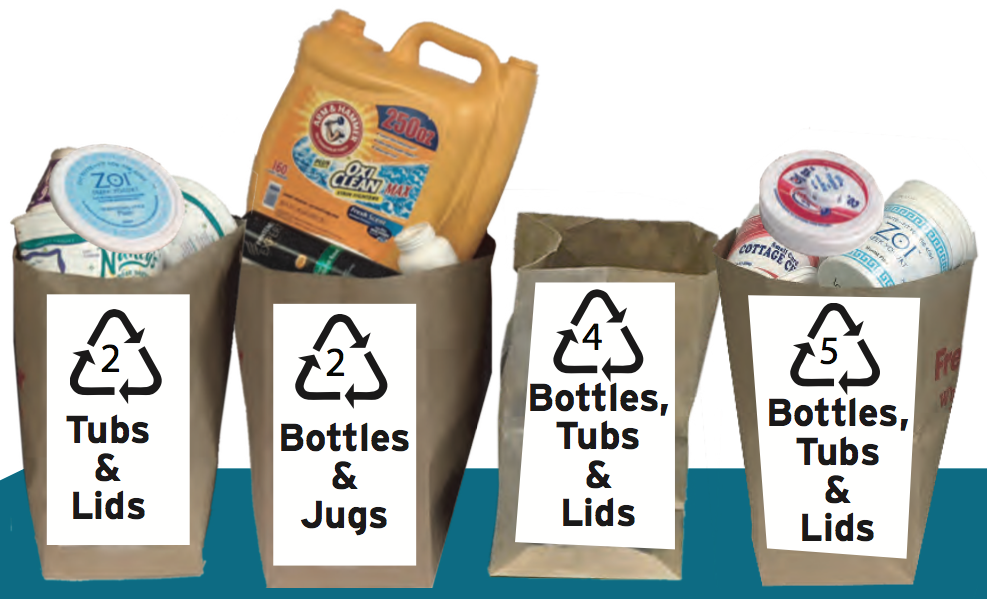 Friendly Area Neighbors (FAN) are invited to recycle their qualifying plastics at the next FAN Plastics Collection event. This event is run by volunteers of the FAN Sustainability Team.
Friendly Area Neighborhood Plastics Collection Tuesday, February 25, 2020, 4:00 to 6:00 PM (before FAN Emergency Preparedness Team Skill Building Session) Washington Park Community Center, 2025 Washington Street, Eugene Qualifying plastics
Welcome to the "new normal" for plastics recycling. You are doing something good for our stressed oceans and the environment. Tips to prepare plastics and manage yogurt containers The photo below shows some of our rejects. Note the labels, foil rims, and odd items with no resin code (the number surrounded by three arrows arranged in a triangle). Some single use yogurt containers are oddly shaped, making them hard to clean and dry, especially when the yogurt residue hardens or becomes moldy. Fill them with soapy water and soak to loosen the gunk. Better yet, switch to bulk yogurt and fill a small container with a dollop of yogurt and top with your favorite fruit or granola. Best of all, make your own yogurt and never buy the single use plastics again. It's easy and safe. 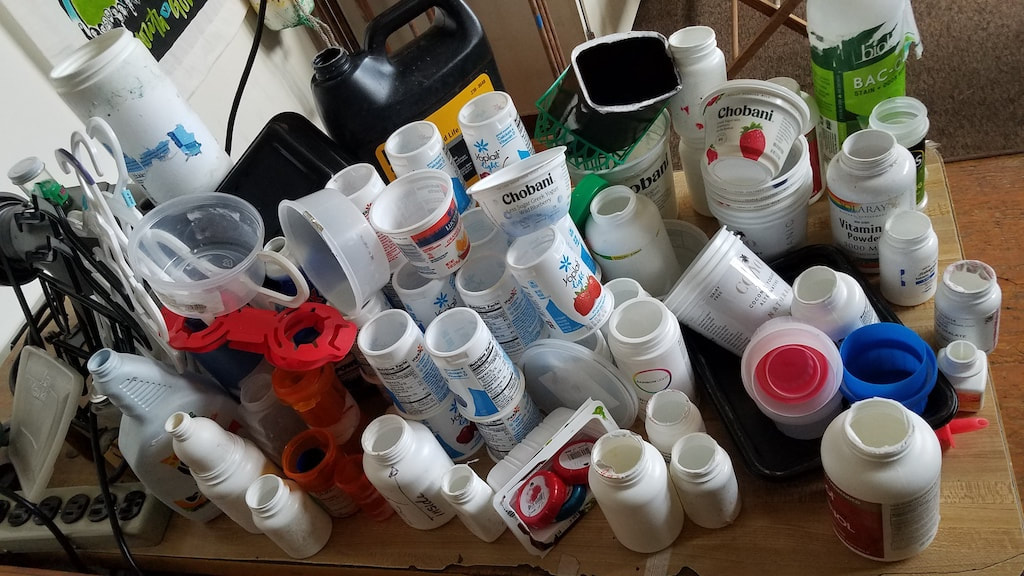 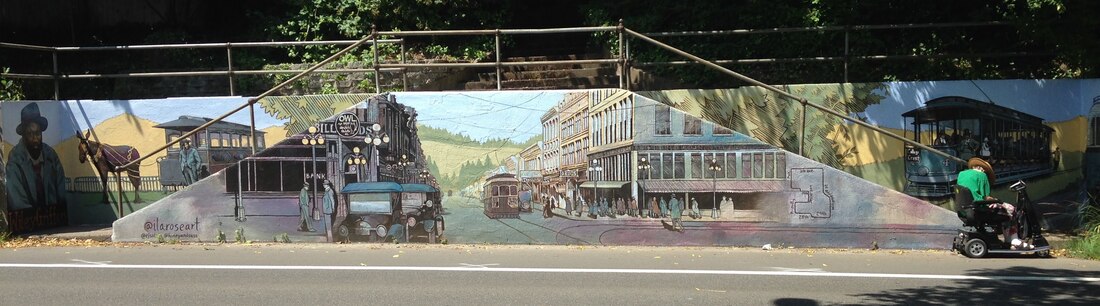
 by Jim Watson
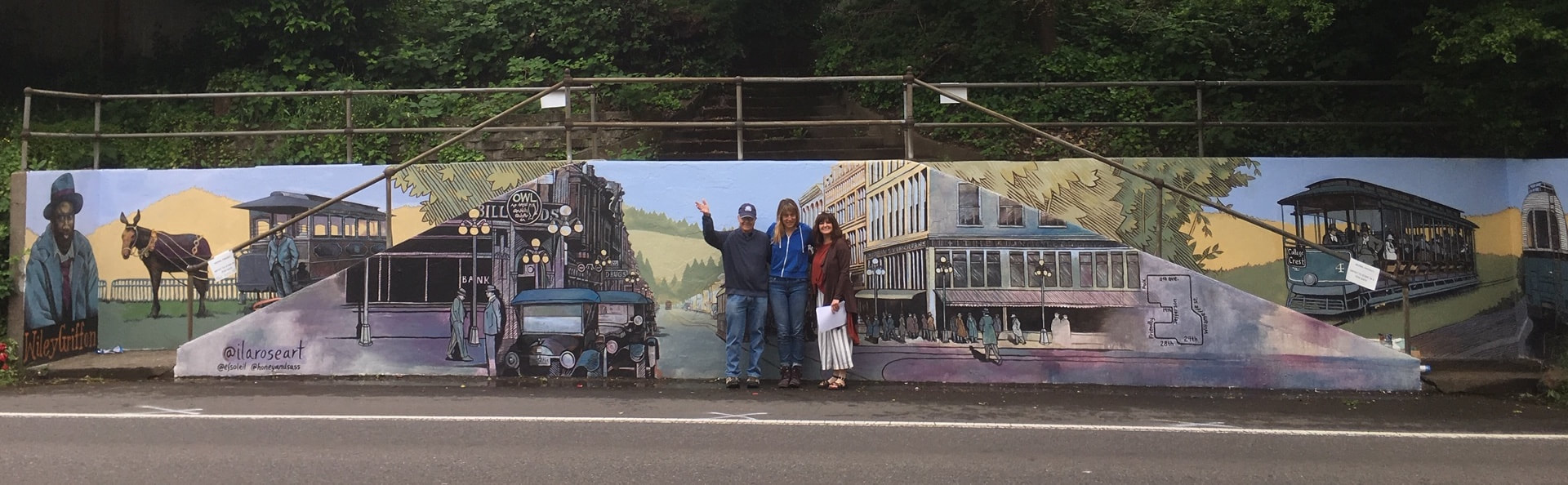
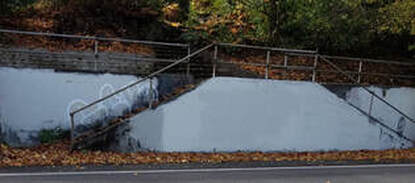
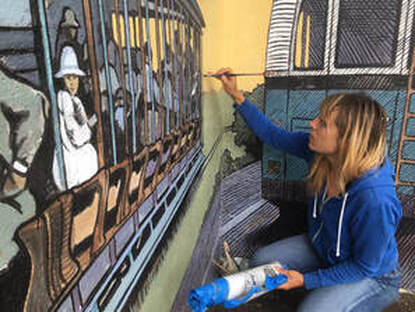
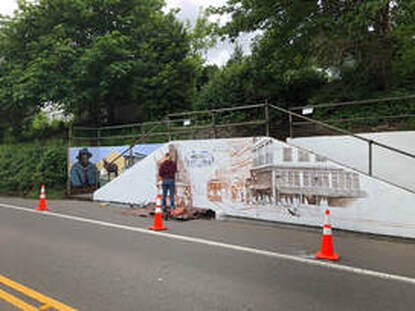
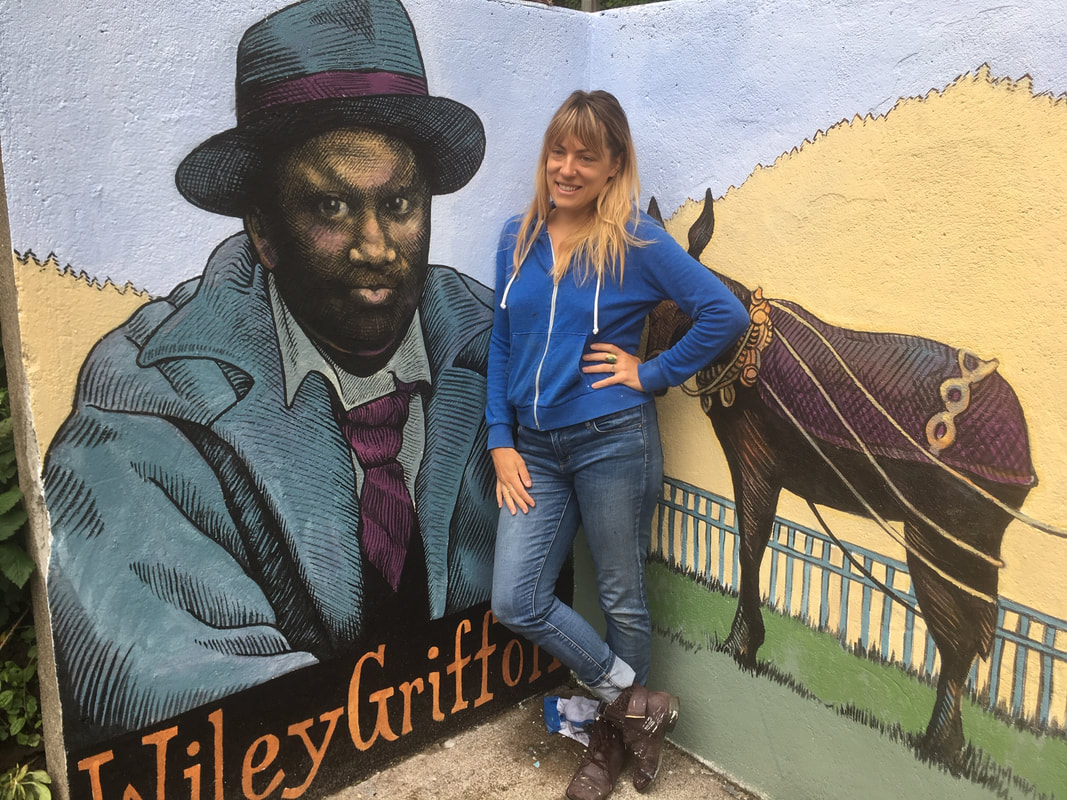
A century ago Eugene's Mercy Hospital was located on College Hill (see blog post "Eugene General/Mercy Hospital"). To connect the closest College Crest trolley stop on Willamette Street to the hospital, stairs were constructed in 1910. Though both the hospital and the trolley disappeared in the mid-1920s, the stairs remain across Willamette Street from Civic Park. The stairs, perhaps the last of their kind, connected to one of Eugene’s trolley routes that was part of a streetcar system that was once described as the greatest for a small city in the United States. The pioneer railway is remembered for having employed Wiley Griffon, Oregon’s first black trolley operator. Gwynne McLaughlin spearheaded a project to paint a mural on the stairs to honor their history while preventing the graffiti that has plagued them. Muralist Ila Rose painted the mural in May of 2019. Questions? Interest in helping keep the mural in good shape? Please contact Jim at [email protected]. Black and White Images Property of Lane County History Museum. Used by Permission. Historical information compliments of Andrew Fisher. 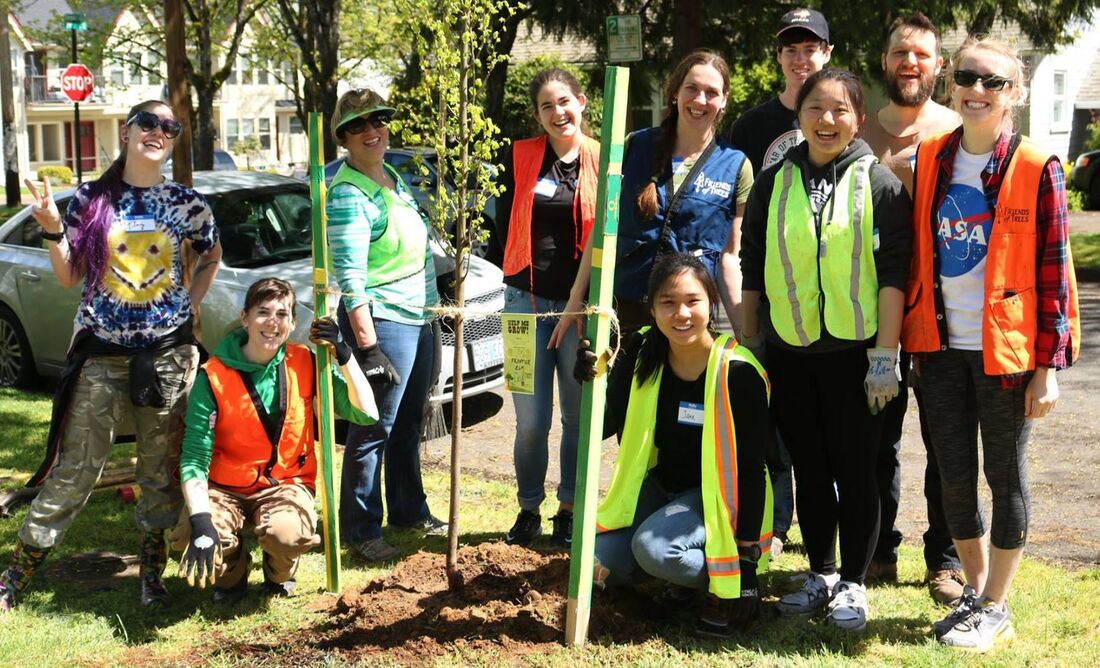 Monday, January 20, 2020, 9:00am – 12:00pm
Westmoreland Park sports fields and in the surrounding Friendly neighborhood Add event to my Calendar Make a lifelong investment in water quality, carbon reduction, and provide shade: plant a tree! This MLK Day on Monday, January 20, 2020, volunteers will improve the environment, community, and economy by planting trees in Westmoreland Park around the sports fields and in the surrounding Friendly neighborhood. This is a family-friendly event. Rain or shine. No experience necessary. All volunteers will be entered to win a limited edition sequoia sweatshirt and other Eugene Outdoors swag. Tools and snacks will be provided. Property owners may request to plant a tree on their property, or in the right-of-way adjacent to their property, through Friends of Trees online. For more information about Friends of Trees, including how to join a tree planting crew to plant trees around Eugene or Springfield, to support the planting crew with hot soup, food, or beverages, or to donate, visit the Friends of Trees website. 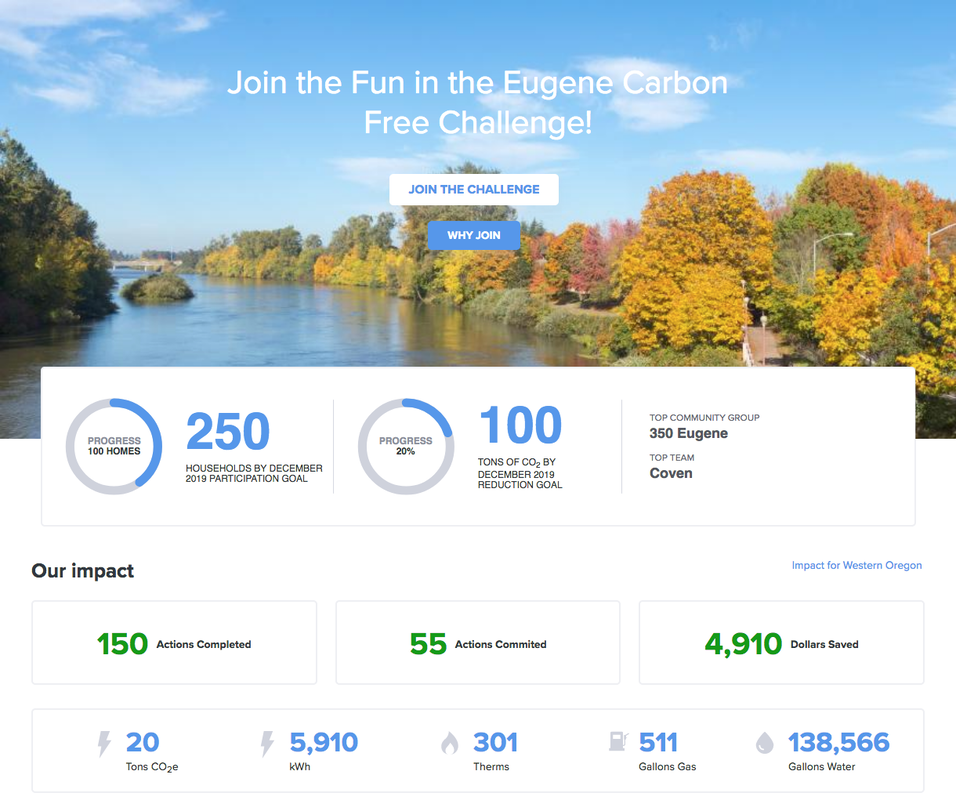 The Eugene Carbon Free Challenge is enabling Eugene residents to learn more about their personal carbon footprint and ways to reduce it. Visit the Eugene Carbon Free Challenge (ECFC) website. This is a joint project of 350 Eugene, City of Eugene, and EWEB to help our neighbors begin to reduce our collective carbon emissions now as part of the Eugene Climate Action Plan. The ECFC team is working to reach as many residents, businesses, faith groups, and NGOs as we can from July to December 2019. The Carbon Free Challenge consists of a website where each user has their own personal account. After creating and logging into your account, you take an Energy Profile survey of your current energy consumption. The result of the survey determines your personal carbon footprint in tons of CO2/person/year. Your footprint is shown next to a range of where other countries per person CO2 footprints measure, as well as showing the global goal of reducing all human produced emissions to 2.0 CO2 tons/person/year. After learning what your CO2 footprint looks like, you can move on to choosing "Actions" from over 60 choices—ranging from Easy to Medium to Challenging—in terms of size and cost. Your personal carbon footprint always remains private information to you, but the Actions you complete are rolled up into "Team", "Community Group", and City of Eugene CO2 reduction totals which are viewable on the front page of the site as shown above. The Friendly Area Neighbors (FAN) Board viewed a demo of the ECFC website on Tuesday, September 3, 2019, to help our neighborhood understand more about the goals of this project. Now we need your help to engage more of your neighbors! You can join our community group "Friendly Area Neighbors" from your Dashboard, clicking the link "Join a Community Group", then start typing to find and select "Friendly Area Neighbors" as shown below. 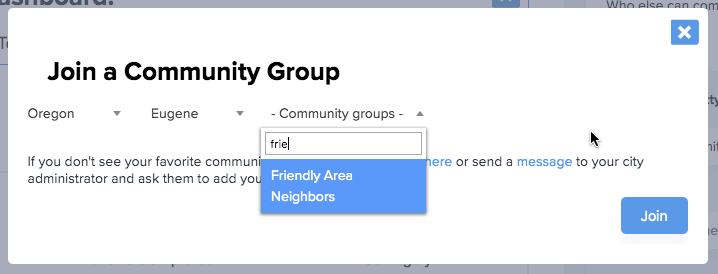 You can also host a House Party to help with ECFC outreach, and the team will be glad to help you present this website to a gathering of your local street neighbors at a House Party you host. If you prefer to do the presentation yourself, that's fine too. They will provide you handouts and training as needed. Send email to [email protected] to get started.
Please join us now in the work to reduce personal carbon emissions in Eugene and make your contribution to solving the climate emergency! All hands on deck! 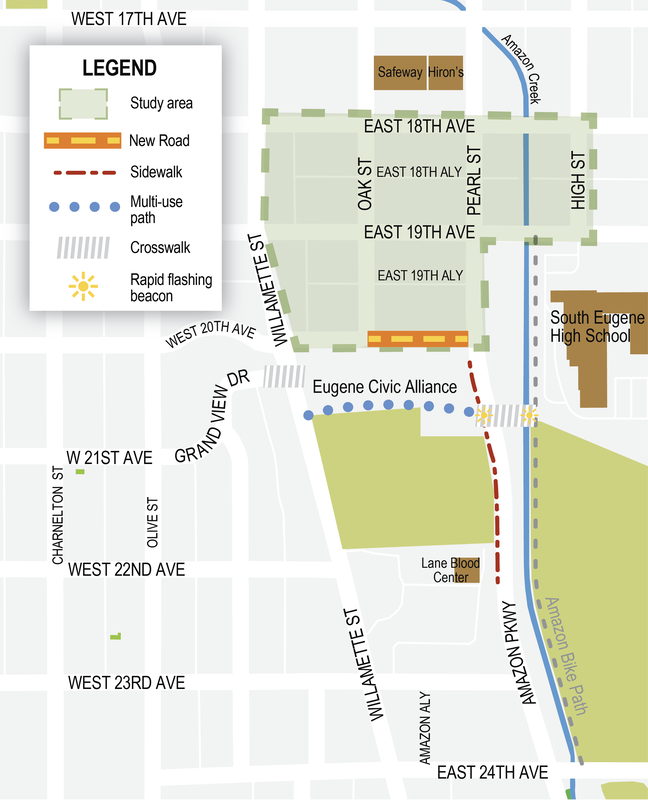 Update July 18, 2019: Take the survey to provide feedback on the Central Eugene in Motion process. As our greater downtown develops, it is important for Eugene's transportation network to have safe and comfortable connections regardless if travel is by car, on foot, bike, bus, or personal mobility device. The Central Eugene In Motion process will explore planned and potential traffic changes with a focus on three key areas. City staff and the community will work together to identify existing transportation issues, explore ideas, and identify preferred design concepts for projects listed in the 2017 Eugene Transportation System Plan (TSP). Possible changes to streets may include removing on-street parking, adding bike lanes, changing traffic controls, or reducing the number of travel lanes. The three Central Eugene In Motion focus areas are:
The Midtown Willamette Street focus area is bounded by Willamette Street, 18th and 20th Avenues, and Amazon Parkway and High Street, most of which lies within FAN's boundaries. See the map for details. 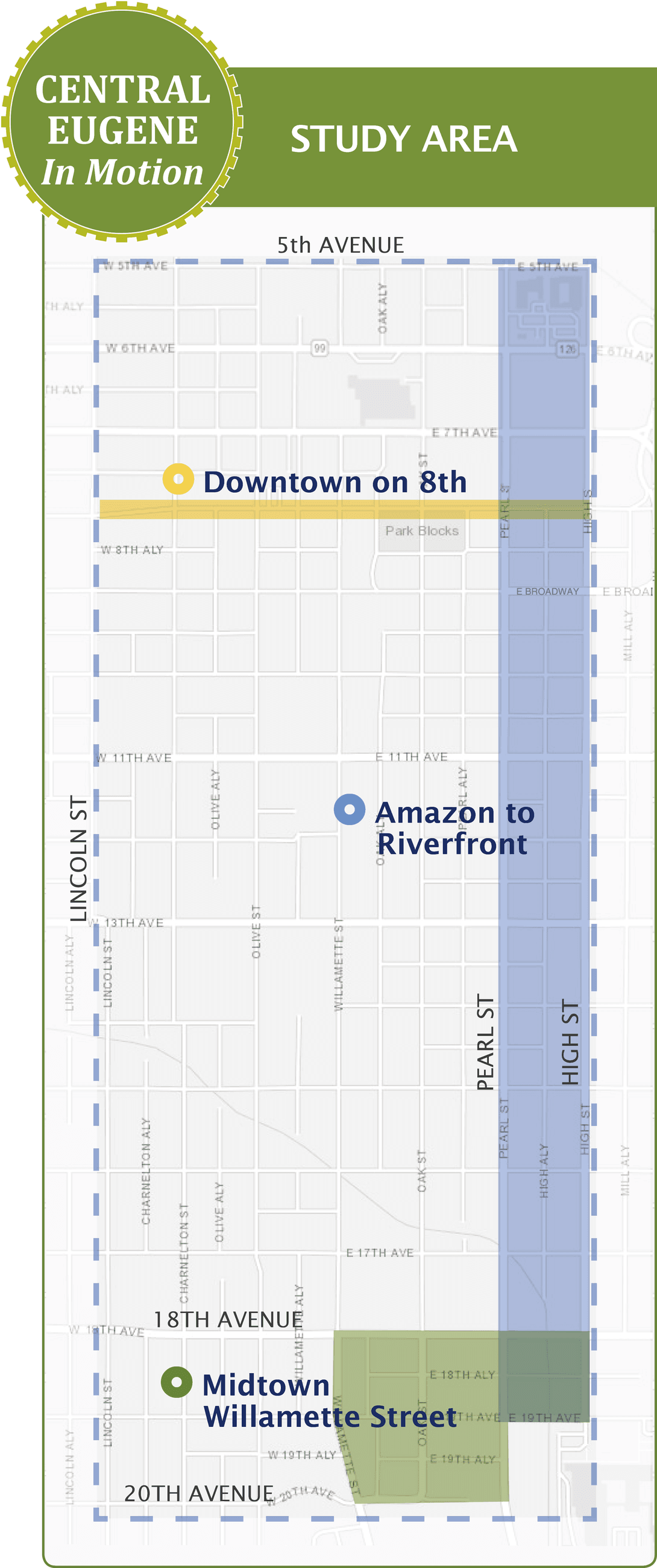 In this area existing traffic patterns pose significant hazards for all road users. Between 2007-2016, there have been two fatalities and six serious injuries. Drivers colliding with people on foot caused both fatalities. Drivers colliding with people on bike caused four of the serious injuries, and two were from drivers colliding with one another. See the map for red and orange markers, some of which are stacked on top of each other. For an interactive map, visit bit.ly/fancrash. 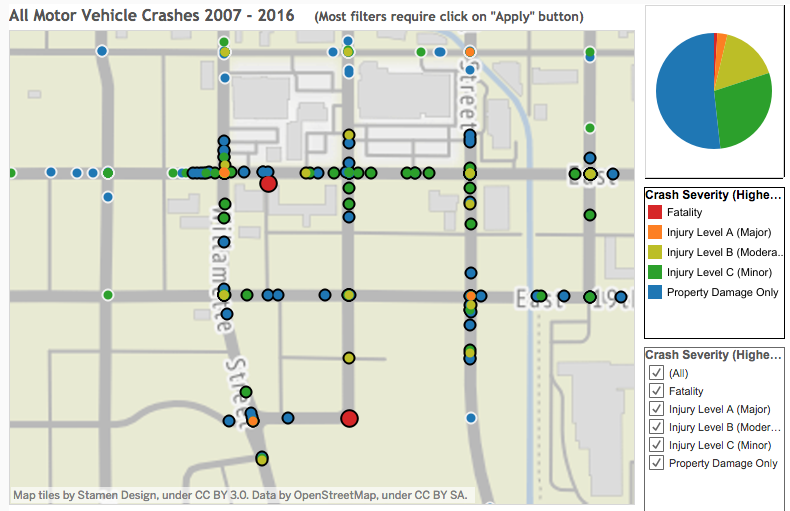 With the expected increase in trips to the new Civic Park upon its completion, now is the time to start planning to make significant safety improvements. The City of Eugene will hold an event to launch the Central Eugene in Motion process.
Central Eugene in Motion Open House Kickoff Wednesday, July 10, 6:00 – 8:00pm UO Baker Center 975 High Street, Eugene If you are unable to attend this event in person, you can join the online open house at bit.ly/eugmotion. You may also contact Reed Dunbar, Project Manager, at [email protected] or 541-682-5727. The FAN Transportation Team will be actively involved with the process. The public is welcome to participate in our monthly meetings and in our online discussion group. FAN Transportation Team Meeting First Monday of the month, except January and September. Monday, July 1, 7:00 - 9:00 PM Billy Mac's Bar & Grill 605 W 19th Ave Eugene, OR 97402 friendlyareaneighbors.org/transportation-team The Eugene Drive-In had two different locations during its 40 seasons in Eugene. It opened at 2860 South Willamette Street on July 29, 1948. During the 1960's, while operated by Moyer Theatres of Portland, they began to feature first-run movies. In July and August of 1962, it presented a six-week run of "The Music Man". The theater closed, apparently for good, on September 11, 1962, when its listing dropped out of the Eugene Register-Guard. It had a replacement, though, because the New Eugene Drive-In had opened the previous July 22 at 1450 Henderson Avenue (in Glenwood). Beginning in the 1963 season, the New Eugene Drive-In, also operated by Moyer, reverted to the name the Eugene Drive-In. According to newspaper ads, while under the Moyer Theatres banner, it closed after 1987. Greg Giesy, long-time FAN resident, stated, "The drive-in theater took up most of what is Woodfield Station today. The screen faced into the hillside, and home owners above could pay the drive-in a monthly fee to have a speaker (that you normally hooked to your car window) wired in their living rooms so they could watch the movies with sound out their picture window." The demolition date of the theater is unknown. Its location, superimposed on a recent aerial view of Eugene, is shown below. There is still plenty of parking, and still plenty of cars, but the movies aren't as good. 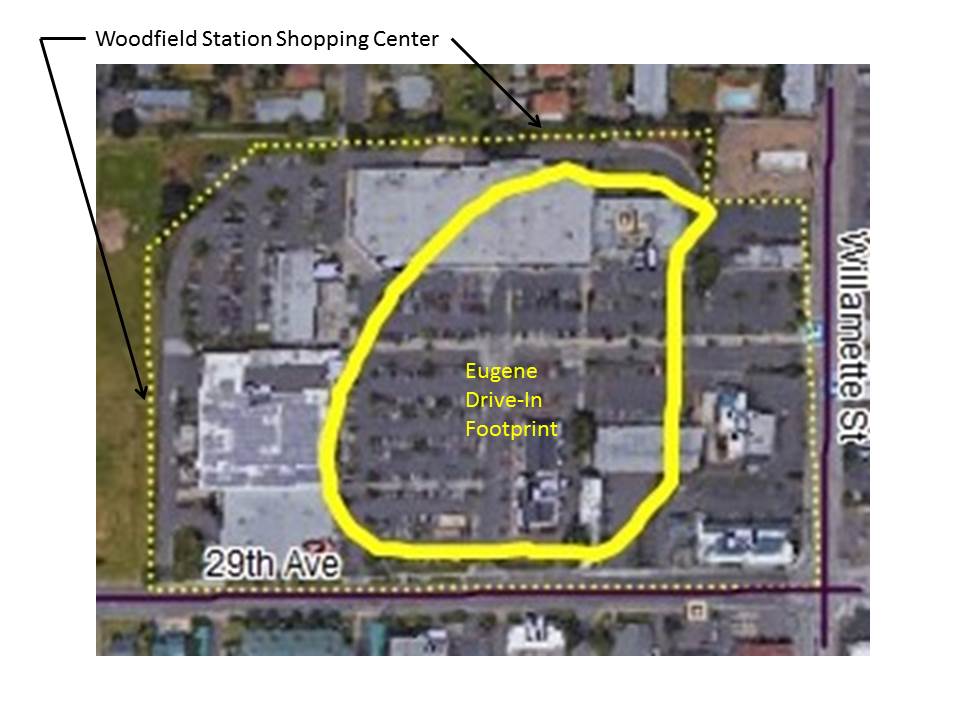 Read more information about other historic and current movie theaters in Eugene.
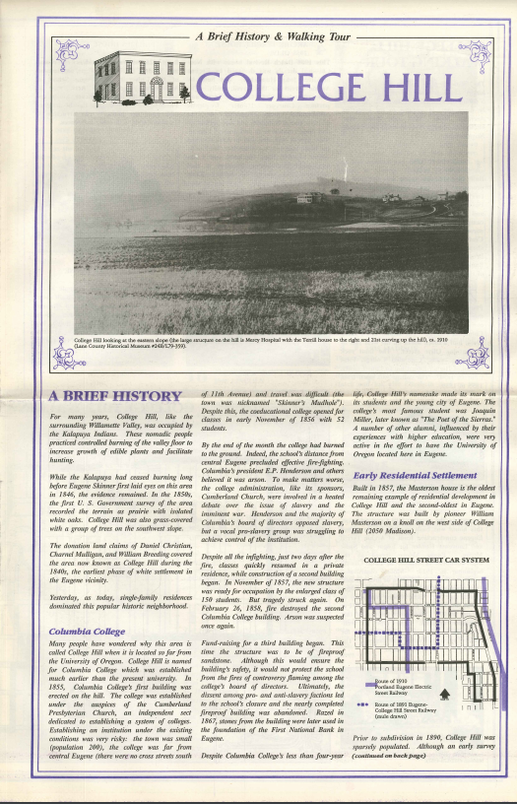
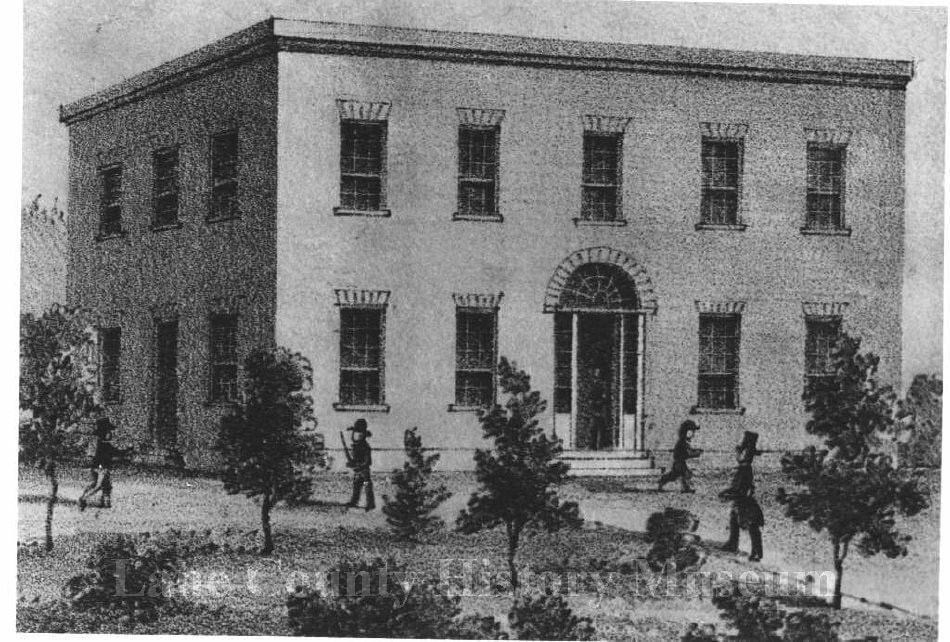 Lithograph of Columbia College - No photographs are known to exist. Lane County History Museum image (GN4213) Before UO and before OSU, there was Columbia College. Opened November 3rd, 1856 by the Cumberland Presbyterian Church, Columbia was the first college in Lane County, only the fourth in the Oregon territory. Enoch Pratt Henderson, a minister, was hired to serve as president of the college. The first student body consisted of 52 students. Only four days after classes started, the building was destroyed by fire under suspicion of arson. Classes continued in a nearby home. A less grand, but serviceable building was rebuilt by November of 1857. By then, the student body had grown to 150 students. On February 26, 1858, a second fire consumed the college again. Attempts were made to rebuild for a third time, but the Cumberland Presbyterian Church withdrew all financial support from the project. This being the eve of the Civil War, the church leadership was itself keenly divided by the issue of slavery, and Columbia College was yet another casualty of that acrimony. The school closed for good in 1860. The last remnants were torn down by 1867, with some of the old sandstone building blocks being used to build a store on Willamette Street (Eugene recycled even back then). Few present day reminders of Columbia College exist. The surrounding neighborhood is called College Hill, and there is a city-placed monument at 19th and Olive. The plaque reads: "Site of Columbia College 1856-1860". Carved into the stone base are the words "COLUMBIA COLLEGE FIRST SCHOOL OF HIGHER EDUCATION IN LANE COUNTY BUILT IN 1854". 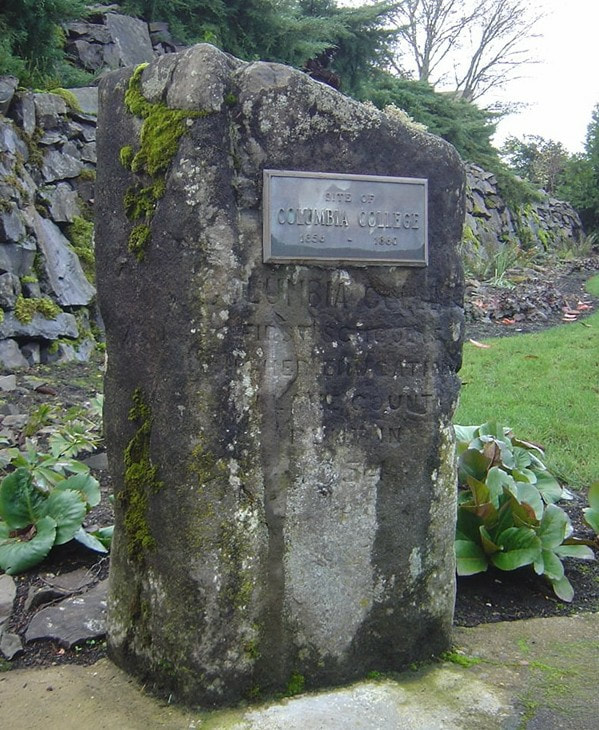 Only in operation for four years (not counting time closed for fires and rebuilding) it is not clear if any degrees were ever granted from Columbia College. However, several notable people did attend classes.
Harrison Rittenhouse Kincaid (January 3, 1836 – October 2, 1920) was an American printer, journalist, Republican politician, and university regent who served as Oregon Secretary of State between 1895 and 1899. In Eugene, Kincaid Street is named after him. Cincinnatus Heine Miller (September 8, 1837 – February 17, 1913), better known by his pen name Joaquin Miller, was an American poet and frontiersman. He is nicknamed the "Poet of the Sierras" after the Sierra Nevada, about which he wrote in his Songs of the Sierras (1871). Col. William Thompson (1846–1934) was an American-Indian fighter and journalist, the editor of multiple newspapers in Oregon and California. James Finley Watson (March 15, 1840 – June 12, 1897) was the 25th Associate Justice of the Oregon Supreme Court, serving from 1876 until 1878. Previously he served in the state legislature and later served as United States Attorney for the District of Oregon. |
AuthorFriendly Area Neighbors Archives
June 2021
Categories
All
|
 RSS Feed